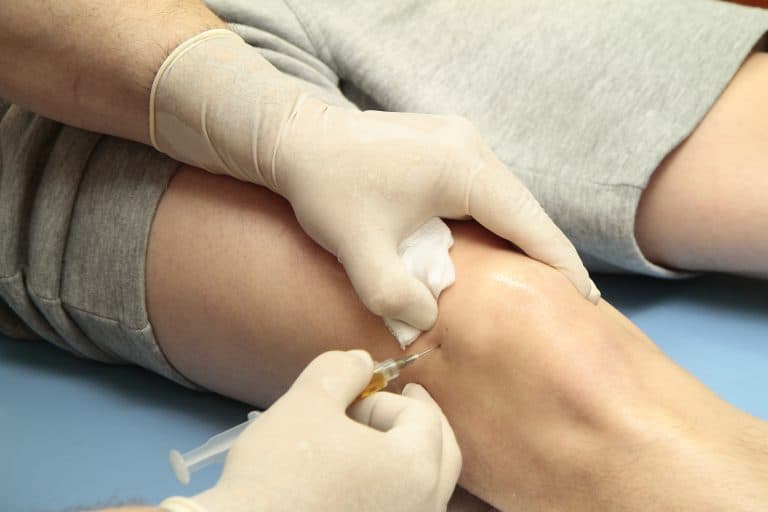



The Challenge of Cartilage Regeneration
Cartilage damage is a major cause of joint pain and restricted movement, garnering widespread hope that non-surgical treatments—such as gels or injections—might one day regrow damaged cartilage and restore joint function. This hope is understandable, particularly for those wary of surgery and the often long recovery process. With joint problems becoming more common in ageing populations, interest in less invasive solutions is high. But how close are we, really, to effective non-surgical cartilage regeneration? This article takes a clear look at what current science and medical practice reveal about this complex area.
To understand the difficulty in regenerating cartilage, it is helpful to know a little about its structure and biology. Cartilage is the smooth, cushioning tissue that covers the ends of bones in joints, allowing easy, pain-free motion. However, it has a poor blood supply and very limited ability to repair itself naturally because its cells divide slowly. Many so-called “miracle” treatments claim to regrow cartilage without surgery, but true healing involves complex biological mechanisms that don’t activate easily. Consequently, scientific progress in this field is necessarily cautious and methodical.
Non-Surgical Treatments Available Today
There are already several non-surgical options available to ease cartilage damage and joint pain. These mainly focus on relieving symptoms like inflammation and improving joint lubrication rather than regrowing cartilage itself.
Hyaluronic acid injections, for instance, act like a lubricant within the joint to ease movement and reduce discomfort. While these treatments can offer meaningful relief and help delay surgery, they do not stimulate significant cartilage regeneration. Despite headlines about “joint regeneration breakthroughs,” current therapies primarily improve quality of life rather than cure the problem.
Nonetheless, there is growing interest in injectable substances and scaffold materials that support cartilage repair. Recent research highlights that “cells, scaffold therapies, and injectable agents have emerged as adjunctive treatments to improve clinical outcomes,” especially in difficult-to-treat joints such as the hip.
Cutting-Edge Research: Injectable and Regenerative Solutions
Scientists are making steady progress in developing treatments aimed at encouraging the body to repair cartilage itself. Promising advances include injectable hydrogels—gel-like substances that can serve as scaffolds supporting new cartilage cell growth—and growth factors, proteins that stimulate tissue repair.
Stem cell therapies are also being explored for their potential to regenerate damaged cartilage. Clinical trials are ongoing to test these new techniques for safety, effectiveness, and how best to deliver them. A notable study involving ChondroFiller Liquid®, a liquid collagen matrix, found “good immediate filling of all treated defects as seen on MRI scans” and “perfect integration with surrounding cartilage from the start, showing impressive maturation over time.” The study also emphasised that “the ChondroFiller liquid method is a safe and simple procedure,” though larger, longer-term studies are still needed.
Further technological innovations have focused on improving how these biological materials are delivered within joints. For example, researchers have devised a clever technique using “long and bendable needles” combined with a curette, a surgical instrument, to place injectable materials accurately into hard-to-reach hip cartilage defects—ensuring the treatment contacts the damaged area fully.
Despite the excitement, many of these treatments still involve minimally invasive procedures and are not yet widely available as simple injections. Careful evaluation continues to ensure long-term benefits and patient safety.
Free non-medical discussion
Not sure what to do next?
Information only · No medical advice or diagnosis.
Expert Insights and Patient Care
Professor Paul Lee, with his extensive experience in orthopaedics and rehabilitation, offers essential perspective on cartilage restoration from both the scientific and clinical angles. The London Cartilage Clinic, where he practices, provides a professional setting that embraces new therapies while prioritising safety and evidence-based care.
Experts like Professor Lee carefully weigh the pros and cons of emerging treatments, helping patients make informed decisions about their options. Their personalised guidance is vital, ensuring that patients understand both the potential benefits and limitations of current and forthcoming therapies. The London Cartilage Clinic’s approach exemplifies how expert-led care is central to navigating this fast-evolving field responsibly.

How to Stay Informed About Future Treatments
If you are keen to follow advances in non-surgical cartilage regeneration, staying well-informed and realistic is key. Reliable sources include peer-reviewed scientific journals, clinical trial registries, and speaking to specialists in cartilage disorders.
Beware of claims promising rapid or miraculous cartilage regrowth without strong scientific backing. As one recent study reminds us, “despite developing technology, physical examination and clinical history remain the basic and low-cost diagnostic methods.” Consulting experienced professionals, such as those at the London Cartilage Clinic, ensures treatment choices are safe, personalised, and based on the latest evidence.
Conclusion
Non-surgical cartilage regeneration holds exciting promise and could transform joint care in the coming years. For now, most treatments offer symptom relief rather than true cartilage regrowth. However, advances in injectable hydrogels, growth factors, cell-free collagen gels, and delivery methods are moving us closer to real breakthroughs.
The path forward requires a careful balance of scientific progress and expert clinical judgment to bring these innovations safely and effectively to patients. For individual advice on cartilage health and treatment, it is always best to consult a qualified healthcare professional.
This article has aimed to provide a clear, balanced view of how near we are to non-surgical cartilage regeneration—combining current science, clinical expertise, and an honest assessment of what the future may hold.
References
Corain, M., Zanotti, F., Giardini, M., Gasperotti, L., Invernizzi, E., Biasi, V., & Lavagnolo, U. (2023). The use of an acellular collagen matrix ChondroFiller® Liquid for trapeziometacarpal osteoarthritis. Journal of Knee Surgery, Sports Traumatology, Arthroscopy. https://doi.org/10.1177/19476035251354926
Schneider, U. (2016). Controlled, randomized multicenter study to compare compatibility and safety of ChondroFiller liquid (cell free 2-component collagen gel) with microfracturing of patients with focal cartilage defects of the knee joint. The Surgery Journal, , . https://doi.org/10.5348/VNP05-2016-1-OA-1
Perez-Carro, L., Rosi Mendoza Alejo, P., Gutierrez Castanedo, G., Menendez Solana, G., Fernandez Divar, J. A., Galindo Rubin, P., & Alfonso Fernandez, A. (2021). Hip chondral defects: arthroscopic treatment with the needle and curette technique and ChondroFiller. Arthroscopy Techniques, , . https://doi.org/10.1016/j.eats.2021.03.011
Frequently Asked Questions
- Current non-surgical treatments provide symptom relief and improve joint comfort but do not yet enable true cartilage regrowth. Professor Paul Lee at the London Cartilage Clinic offers evidence-based options, guiding patients with the most advanced and safe approaches available today.
- Professor Paul Lee is a renowned cartilage expert and Regional Surgical Ambassador, specialising in orthopaedics and rehabilitation. The London Cartilage Clinic combines his expertise with state-of-the-art therapies, providing personalised, evidence-led care for cartilage problems backed by extensive clinical and academic credibility.
- Emerging injectable treatments, such as hydrogels and stem cells, remain under clinical evaluation and are not widely available. At the London Cartilage Clinic, Professor Lee ensures that patients are considered for the latest proven interventions, prioritising both effectiveness and safety as research advances.
- Seeking care at reputable clinics, like the London Cartilage Clinic, and consulting with recognised experts, such as Professor Paul Lee, ensures patients receive evidence-based, up-to-date guidance. This approach minimises misinformation and supports well-informed decision-making about cartilage treatment options.
- Non-surgical cartilage regeneration holds substantial promise, though most available treatments currently prioritise symptom relief. Professor Lee’s leadership and the London Cartilage Clinic’s commitment help patients stay informed about future breakthroughs while benefiting from today’s most reliable and expert-led care.
Legal & Medical Disclaimer
This article is written by an independent contributor and reflects their own views and experience, not necessarily those of London Cartilage Clinic. It is provided for general information and education only and does not constitute medical advice, diagnosis, or treatment.
Always seek personalised advice from a qualified healthcare professional before making decisions about your health. London Cartilage Clinic accepts no responsibility for errors, omissions, third-party content, or any loss, damage, or injury arising from reliance on this material.
If you believe this article contains inaccurate or infringing content, please contact us at [email protected].
London Cartilage Clinic
Modern treatments, designed for lasting knee outcomes
Every treatment plan is selected to help you return to the quality of life you deserve. Our team combines up-to-date techniques with consultant-led decision making across cartilage repair, regeneration and replacement.
What your journey can look like
Step 01
Consultant-Led Assessment
Symptoms, imaging and goals reviewed in one structured appointment.
Step 02
Personalised Treatment Plan
A clear route chosen from repair, regeneration or replacement options.
Step 03
Precision Delivery
Modern techniques and specialist equipment matched to your diagnosis.
Step 04
Long-Term Knee Health
Follow-up guidance focused on durable function and quality of life.
Will the Arthrosamid work for me
PAAG-8+ Questionnaire
A bright, structured entry point for patients exploring Arthrosamid. The questionnaire helps frame suitability, expectations, and 24-month clinical benefit discussion before a fuller consultant-led review.
Designed for shared decision-making. It does not replace specialist consultation, examination, imaging review, or formal medical advice.